

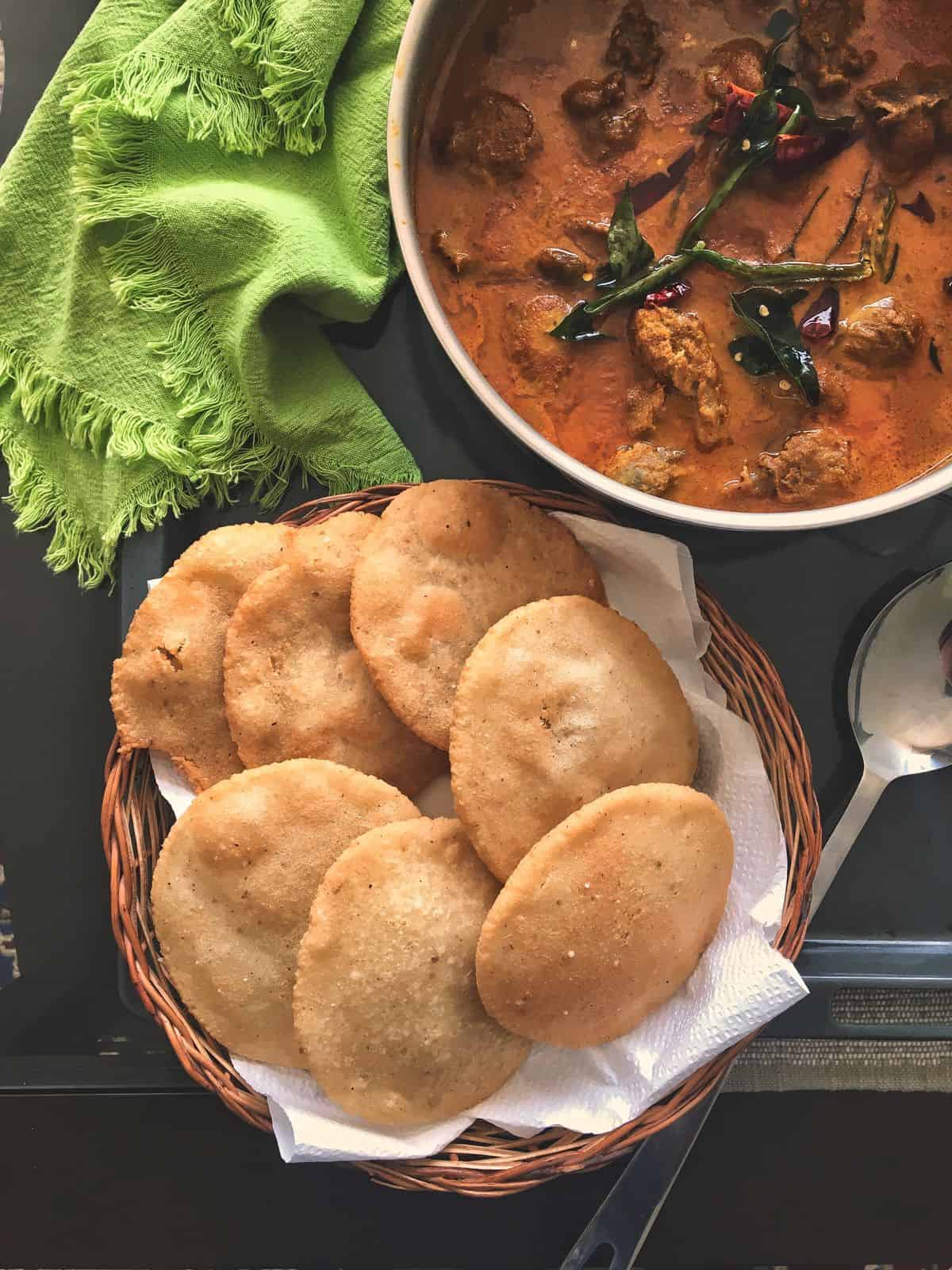
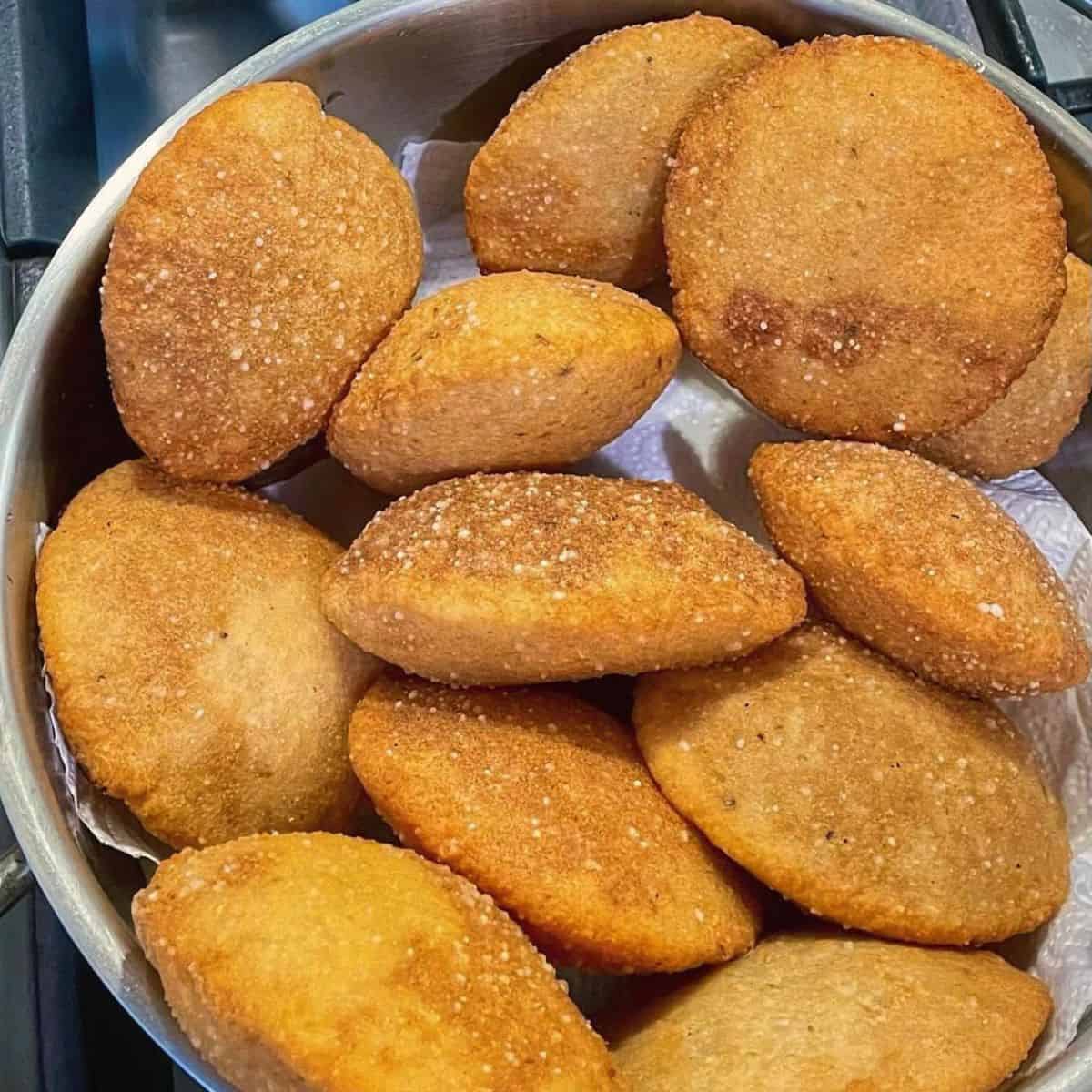
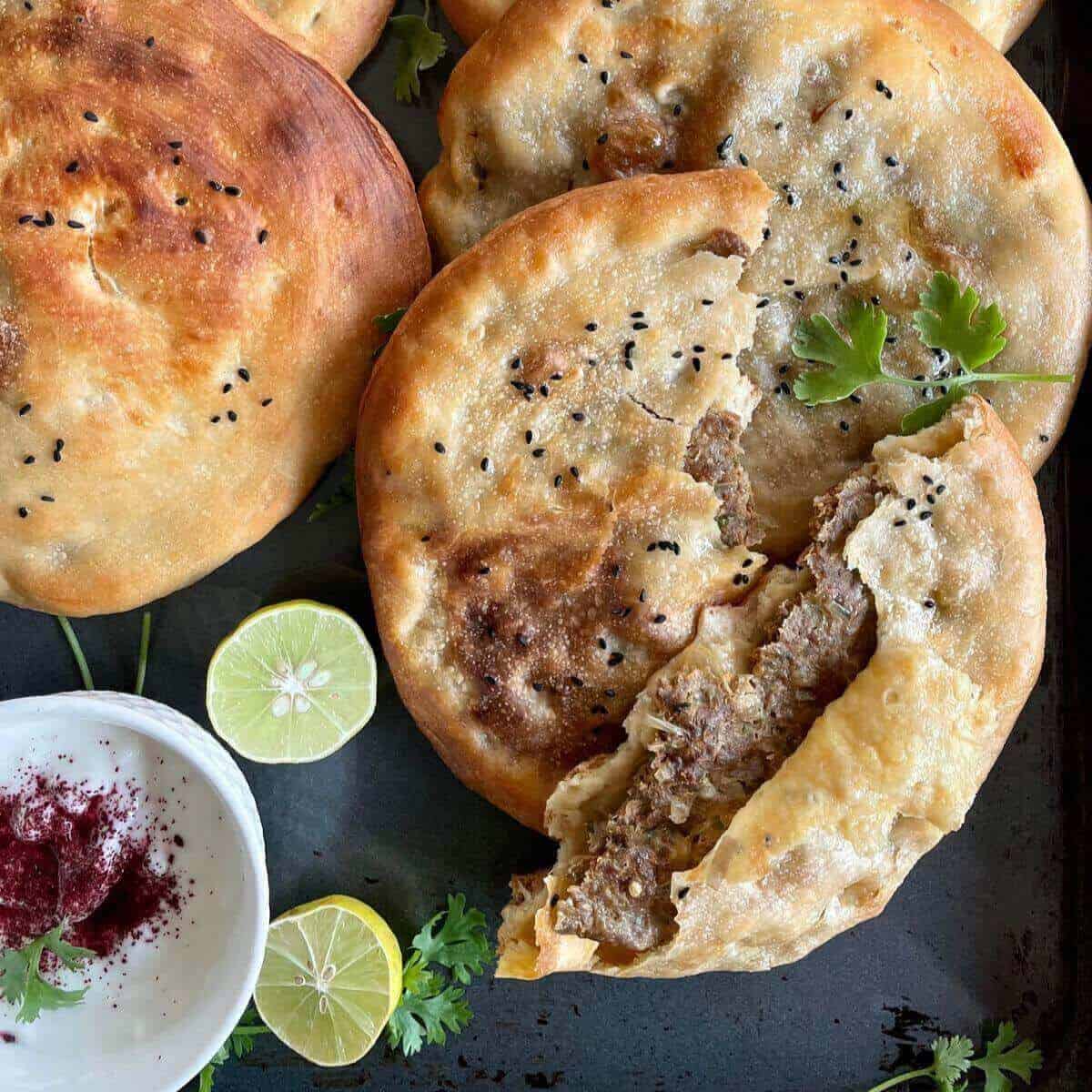
Neypathal (a Malabar Moplah speciality) is a deep-fried rice bread that's crisp on the outside and soft inside. Made with coarsely ground parboiled rice, coconut, and a hint of fennel, these discs puff up beautifully in hot oil. Best enjoyed fresh and hot with a spicy curry like chicken, beef, or mutton.
This recipe is my mom's version, adapted for the modern kitchen while keeping the same authentic taste and texture of the hand-pounded original.
Jump to:
What is Neypathal?
Unlike soft, pan-cooked nice pathiri, Neypathal is deep-fried until it puffs beautifully, giving you a crispy outside and a soft inside. The word ney means ghee or oil, and pathal or pathiri refers to flatbread. So, essentially fried rice bread-crispy, golden, and perfect for scooping in some spicy chicken or beef curry.
The coarse texture of neypathal makes it perfect for soaking up rich, spicy curries. What's more, the same dough forms the base for other Malabar Moplah favourites like kakka orotti and stuffed mussels (kalumakaya).
🛒Ingredient Notes

- Parboiled rice: (puzhungal arisi) Use varieties like Ponni. The base of authentic Neypathal.
- Fresh coconut: Freshly grated is best, but rehydrated desiccated coconut works. Frozen grated is fine too-just thaw completely.
- Fennel seeds: Key for flavour; swap with anise seeds if needed (avoid star anise).
- Onions: Red onion or shallots, finely chopped.
- Rice flour: Traditionally not used, but it helps bind when grinding rice with water in an electric mixer. Add sparingly - too much dries out the bread.
- Water & oil: Water for grinding; neutral oil for deep frying.
Refer to the Recipe Card at the bottom of this page for a complete list of ingredients and quantities.
🔪How to Make Neypathal (Step by Step)

Prepare the Rice
Heat water and soak the par-boiled rice in it for an hour. Drain and mix it with the remaining dough ingredients: grated coconut, pearl onions, fennel seeds, garam masala, and salt.

Grind the Mixture
Grind the mixture in batches along with a little water into a coarse, grainy mixture (not a smooth paste).

Prepare the dough
Transfer to a bowl and start adding rice flour a little at a time until you get a soft dough. It should be pliable and slightly sticky but able to hold shape when pinched into a ball.
💡 Hint: If the dough is too dry, it will crack at the edges while shaping and give you dry pathals. Use rice flour sparingly!

Shape the Pathal
The easiest way to shape these is with a plastic sheet (like a cut-open milk packet or a zip-lock bag). Lightly grease the sheet and your palm with oil. Place a lemon-sized dough ball in the centre, then flatten it with the heel of your palm (thumb area works best) into a disc just under ¼ inch thick.

Deep Fry
Hold the greased plastic sheet in one hand and gently peel off the flattened pathal with the other. Slide it carefully into hot oil - it will sink first, then float up after a few seconds. Once it surfaces and puffs, flip and fry the other side until golden and evenly browned. Drain on paper towels and serve immediately with a warm Malabar chicken curry.
💡Serving Suggestions
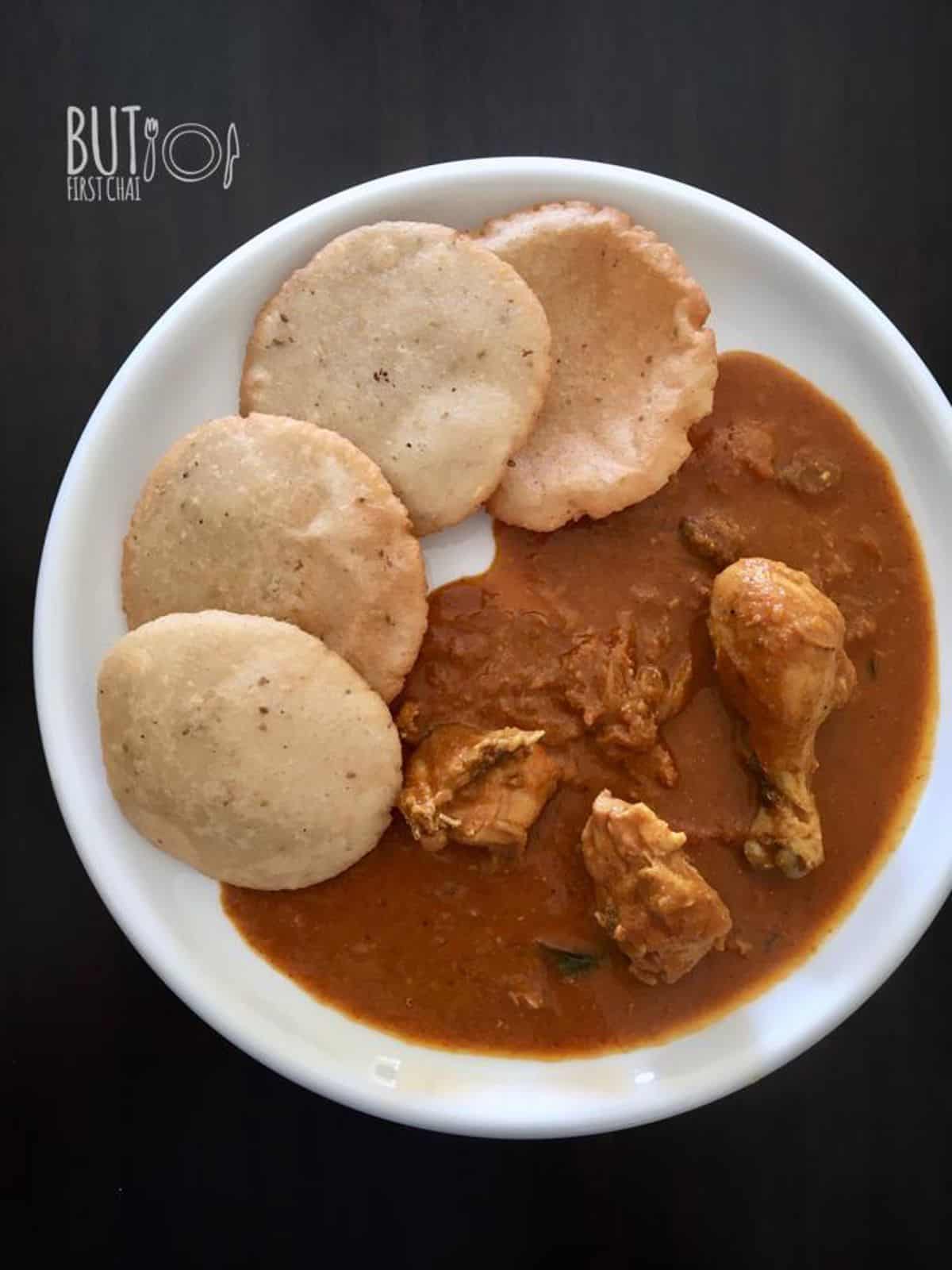
The classic pairing is Varutharacha Malabar Chicken Curry - a rich, coconut-roasted sauce that clings beautifully to each piece.
Mix it up with other breads from my Flatbreads & Crêpes collection, or try a light Cucumber Dosa, which goes well with the curry.
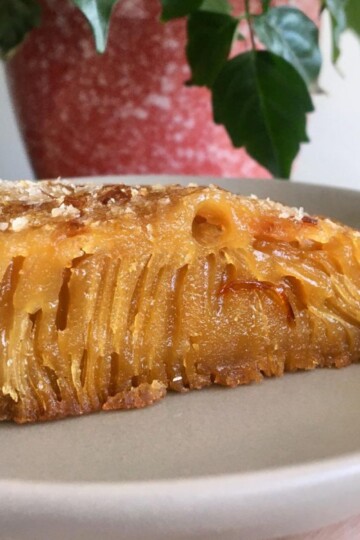
Add a little sweet bite on the side with Ariyunda - they make a perfect after-meal treat.
If you want to explore further, check out my South Indian Recipes and especially the Malabar Recipes section for more gems from the coast.
❄️Storage
- Neypathal is great when had immediately. So, it will help if you prepare the curry ahead and start frying only close to the serving time.
- For leftovers, the dough can be refrigerated, but the cooked Neypathal won't stay crispy.
- The best way to reheat next-day bread is by steaming - microwaving or pan-heating makes it hard and dry.
- You can also use leftover dough to make Kakka Orotti for another delicious dish!
☝️Recipe FAQS
A few tips: make sure oil is hot enough (but not smoking), gently slide the flattened disc in so it sinks first, then surfaces; wait for it to puff before flipping. If it doesn't puff, you can gently tap the edges with a spoon to encourage puffing. Using the correct thickness (just under ~¼ inch) helps; too thin, and it may not puff; too thick, it may cook unevenly.
Yes! You can prepare the dough a few hours in advance or even a day ahead. I would skip adding salt while storing. Keep it covered in the fridge to prevent it from drying out. When ready to fry, bring it to room temperature, add salt, reshape into discs, and fry as usual.
🍲Similar Recipes
Looking for other recipes like this? Try these:

Enjoyed this Recipe?
Did you know that commenting and rating recipes is one of the best ways to support your favourite food bloggers? If you tried this recipe, please leave a review in the comments with your ⭐️⭐️⭐️⭐️⭐️ rating. Your feedback helps my small business keep offering free, high-quality recipe content. It is the best way to help me thrive in an increasingly competitive AI world.
📖 Recipe Card
Neypathal | Deep fried Rice Bread
Ingredients
- 2 cups parboiled rice, eg. ponni rice
- 1 cup grated coconut
- 2 teaspoons fennel seeds
- 1 medium onion, diced roughly
- 1 teaspoon Malabar garam masala, optional
- ½ cup Water, to grind. ½ to 1 cup depending on the quality of the rice.
- 3 to 4 tablespoons rice flour, or enough to make the dough hold together but not too tight
- salt to taste
- Oil to grease , a plastic sheet like a milk packet, ziploack bag, baking paper and your palm
- Oil to deep fry, eg. sunflower oil
Instructions
Prepare the dough
- Heat water in a pot just tepid or warm to touch and switch off. Add the rice to that water and cover and let soak for an hour.2 cups parboiled rice eg. ponni rice
- Drain and grind the rice along with grated coconut, onion chunks, fennel seeds, garam masala, salt and water to a coarse and grainy mixture. Do it in batches if needed.1 cup grated coconut2 teaspoons fennel seeds1 medium onion diced roughly1 teaspoon Malabar garam masala optional½ cup Water to grind. ½ to 1 cup depending on the quality of the rice.salt to taste
- Transfer the ground mixture into a bowl and start adding rice flour little by little until the mixture is a non-sticky wet dough. You should be able to pinch a little and make balls that retain shape. (Cover and keep it until needed).3 to 4 tablespoons rice flour or enough to make the dough hold together but not too tight
Shape
- Heat enough oil to deep fry in a kadai.Oil to deep fry eg. sunflower oil
- Grease one side of a sandwich bag or clean milk packet or any similar-sized plastic sheet with oil and place it in the work area.Oil to grease a plastic sheet like a milk packet, ziploack bag, baking paper and your palm
- Grease your palm with oil and scoop a lemon or golf-sized dough (depending on your kadai size) and place it on a greased sheet.
- Start to flatten the dough ball into a disc of little less than ¼ inch thickness using your palm of the thumb area.
- Test the oil readiness by dropping a tiny bit of the dough, if it sizzles up to the surface, then your oil is ready. Maintain the flame at medium as the dough needs to get cooked.
Fry
- Carefully hold the plastic sheet in one hand and peel and remove the pathal using the other hand and slowly slide it in oil. It will sink to the bottom of the kadai and will surface only after a few seconds. So wait until it surfaces and puff up.
- Use a slotted spoon and splash some hot oil over the bread and then flip carefully and fry the other side until evenly browned. Remove the naypathal, drain and keep aside.
- Repeat the process for the rest of the dough (refrigerate any remaining dough and use it within 2 days).
- Serve hot with any Chicken curry or Beef or Mutton curry.
Notes
Nutrition Info
Nutritional information is an estimate provided for informational purposes only. Values may vary based on ingredient brands, cooking methods, and portion sizes.
If you are interested to learn more about Malabari Cuisine, check out this In Conversation with Ummi Abdullah: Malabar Food.

Famidha Ashraf says
Thanks for stopping by! 😊 Neypathal is truly at its best fresh out of the oil, but I’ve shared a few tips for making the dough ahead or reheating leftovers. I’d love to hear how your first batch turns out. Do you have your own tricks? Share your experience!