

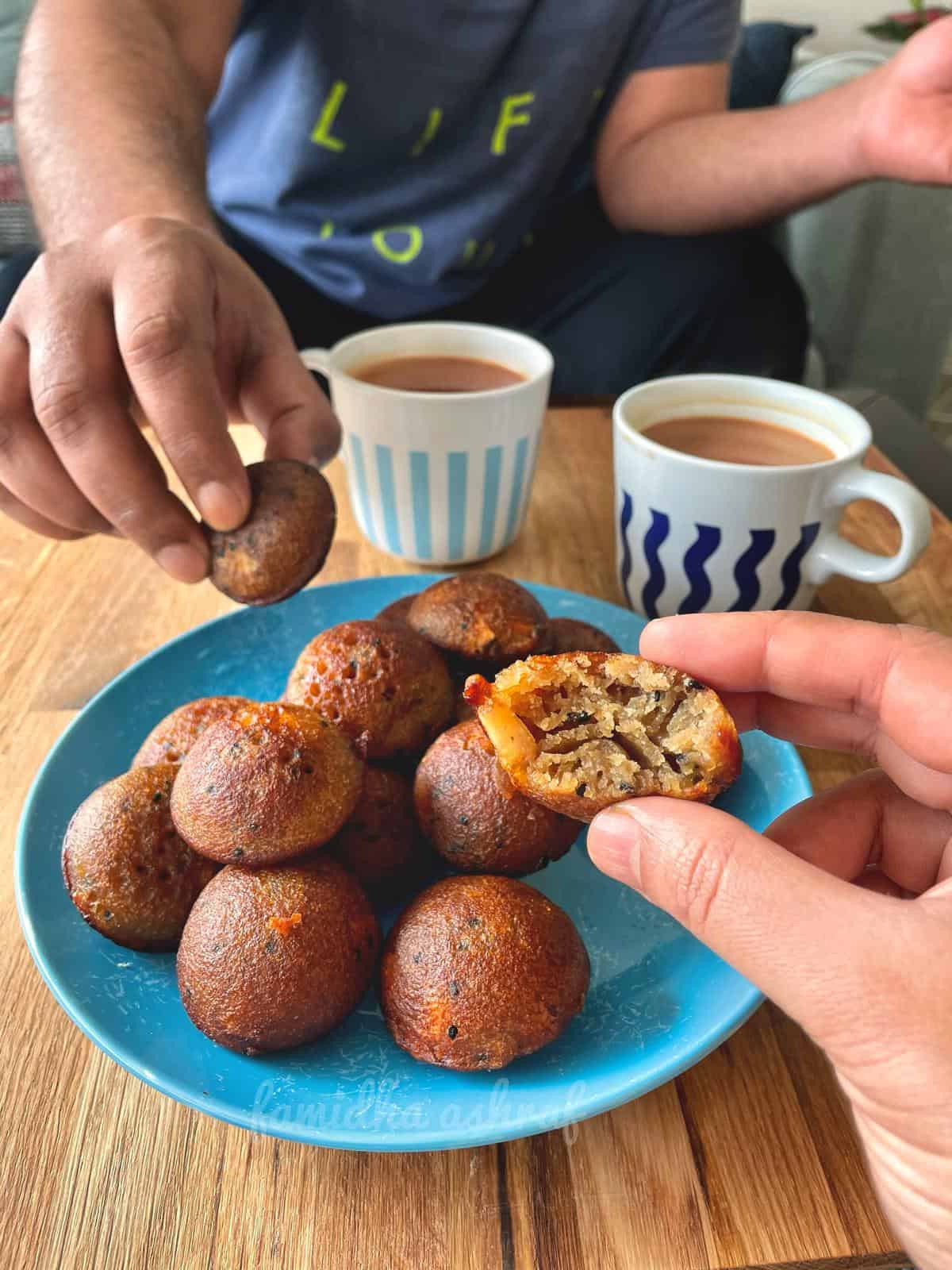
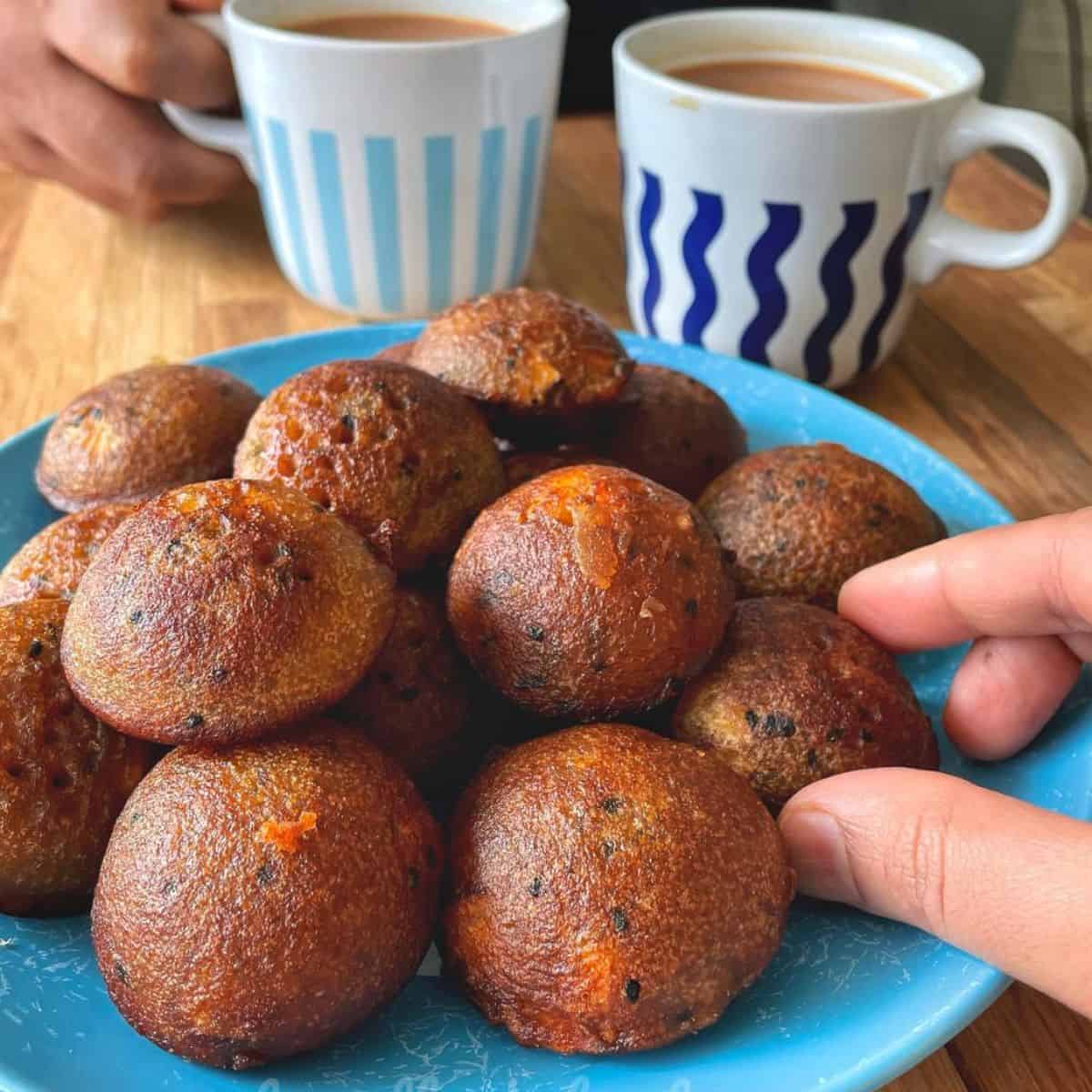
This is an instant unniyappam recipe made with roasted rice flour, ripe banana, jaggery, and fried coconut, then cooked in a paniyaram pan until browned on the outside and soft on the inside. This version comes together without soaking, grinding or resting the batter! (purists won't approve!) So you can go straight from mixing bowl to pan, even on a busy festival morning. They are sweet, slightly chewy, coconutty and great with a cup of chai!!
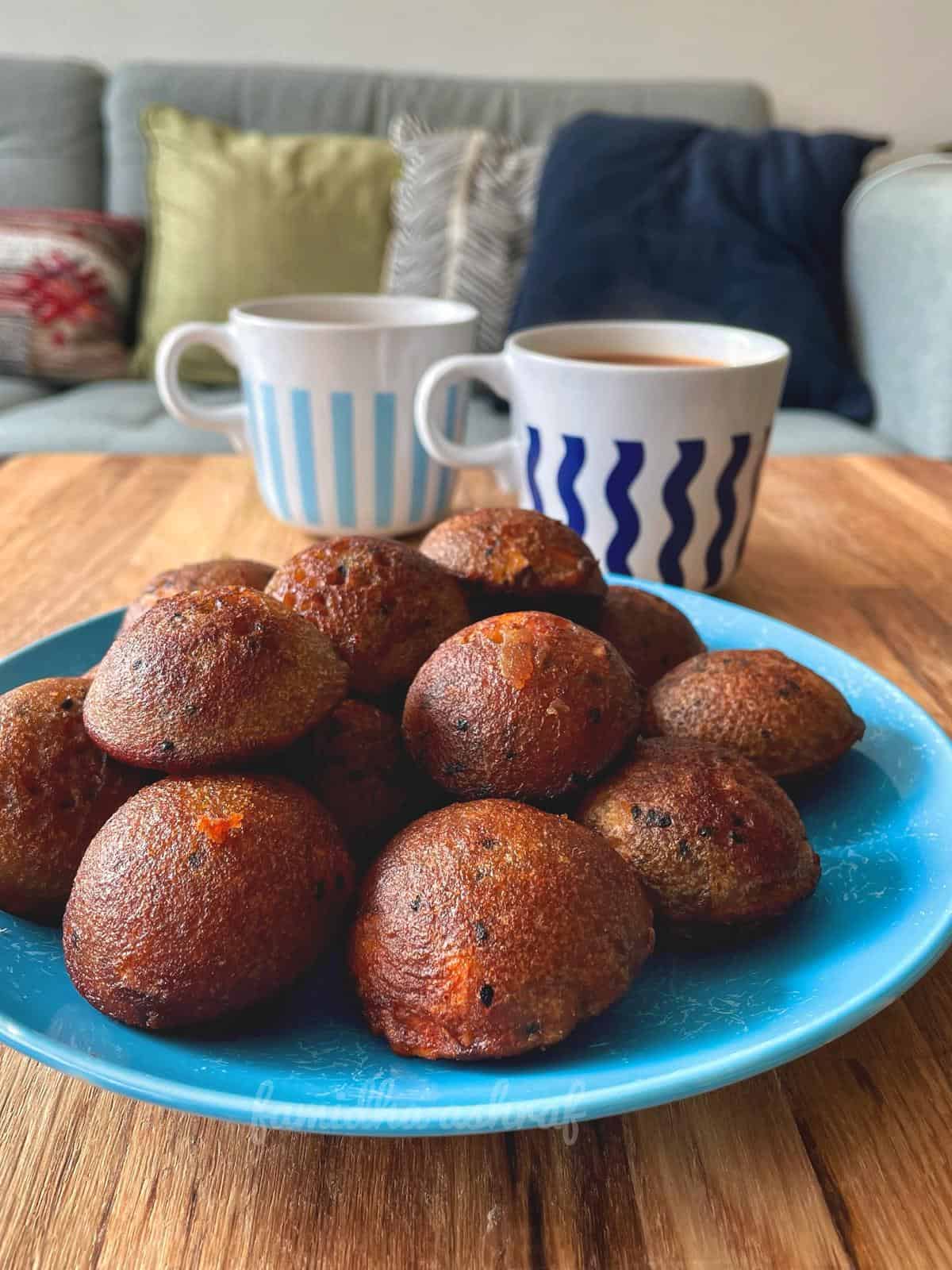
Recipe at a glance: uniyappam
- ⏱️ Prep Time: 20 minutes
- 🍳 Cook Time: 25 minutes
- 👥 Servings: 12 to 14 unniyappams
- 🔥 Cook Method: Stovetop
- ⭐ Difficulty: Easy
- 😋 Recipe Highlights: Instant unniyappams
- 🎯 Key to Success: Mash the banana into a smooth liquid.
Summarise and save this Recipe on
Jump to:
My First Batch of Unniyappam
I made these unniyappam as an experiment and to satisfy my cravings instantly. The traditional recipe involved long hours of soaking and resting, etc., so I decided to try using roasted rice flour. I wanted a simple version that worked with ingredients I already had, and this batch surprised me by turning out so well that I immediately wrote down the quantities.
What I loved about this version is that there is no waiting around. You melt the jaggery, fry the coconut, mix everything into a thick, pourable batter and start frying.
After I shared this first successful batch on Instagram, a few people suggested adding wheat flour or semolina along with the rice flour, and others recommended letting the batter ferment for a few hours before cooking. I tried both. In my trials, the unniyappam turned out harder than I like them to be. So I'm sticking with this version for its simplicity.
Ingredients you will need
See the recipe card below for the complete ingredient list and quantities.
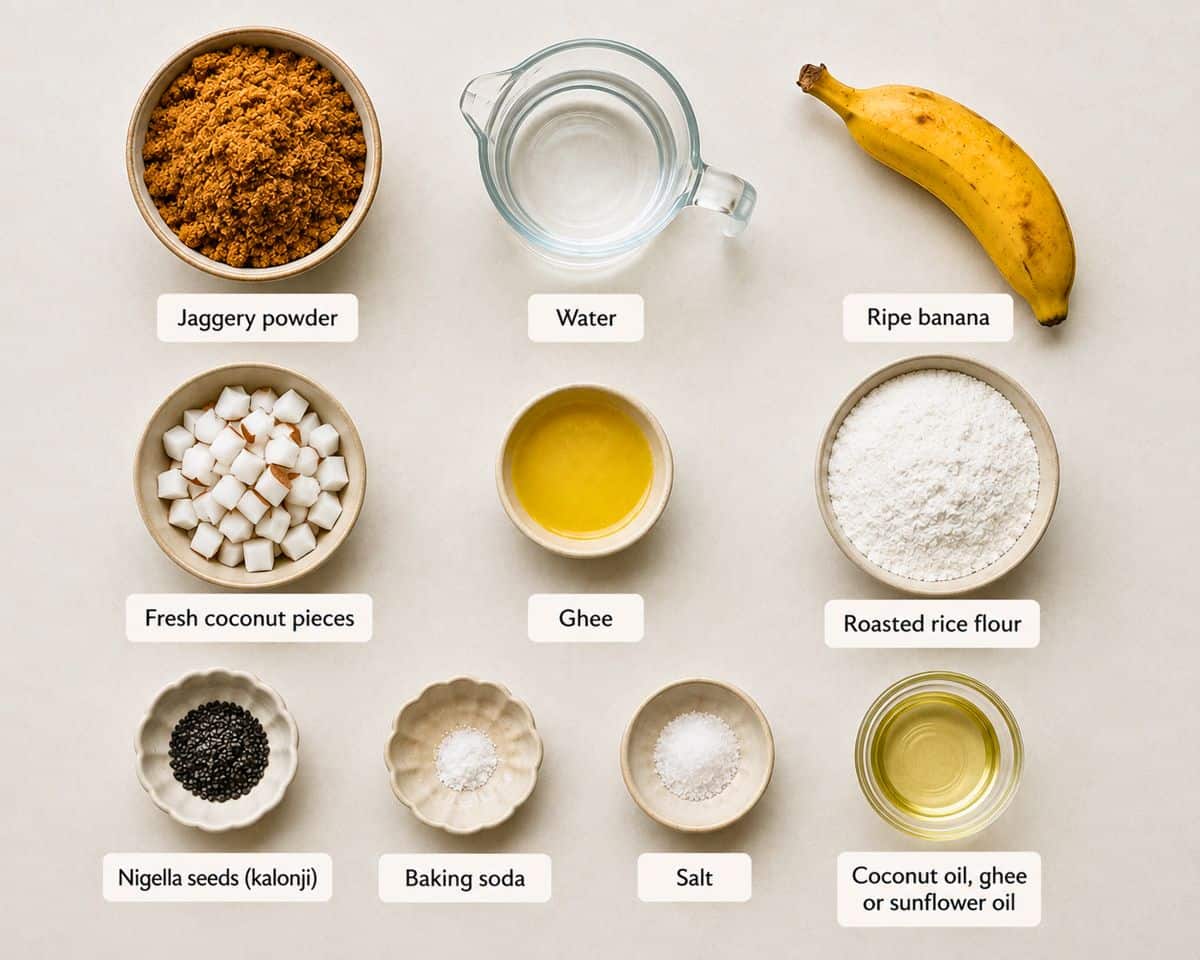
Roasted rice flour
This is the base of this version. I have only got the best results with roasted rice flour.
Jaggery
Jaggery gives the unniyappam its deep caramel-like sweetness and colour. Melt it with water before adding it to the batter. If your jaggery contains impurities, strain the melted syrup before using.
Ripe banana
Use a ripe banana and mash it completely smooth. I used one Chiquita banana and made sure there were no lumps before adding it to the flour.
Coconut
Fresh coconut pieces are fried in ghee until golden. This small step makes a noticeable difference: you get little nuggets of toasted coconut throughout the unniyappam.
Nigella seeds
You know me by now; if I use banana, then I also use nigella seeds! Go check my recipe for banana bread or pazhampori! You may know it as kalonji, and you can replace it with black sesame seeds.
Cooking fat
You can use coconut oil, ghee or sunflower cooking oil. Coconut oil gives the most coconut-forward flavour, while ghee makes the unniyappam especially fragrant. Sunflower oil is a good neutral option.
Refer to the Recipe Card at the bottom of this page for a complete list of ingredients and quantities.
How to Make Unniyappam (instant)
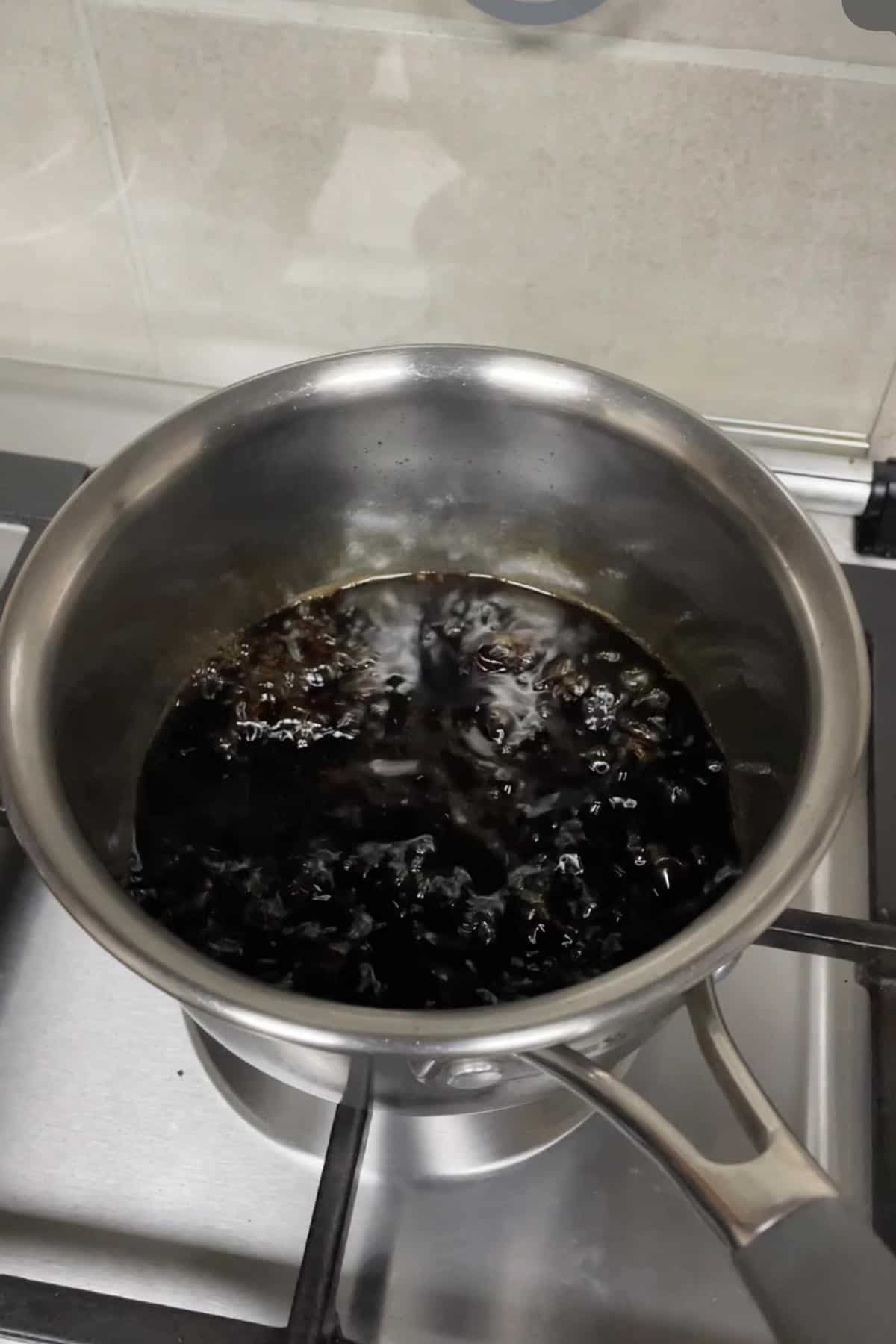
Melt the jaggery powder and water in a saucepan on medium heat until the jaggery has completely melted. Strain if needed, then set it aside to cool.
The syrup does not need to reach a particular consistency. You just want the jaggery dissolved.
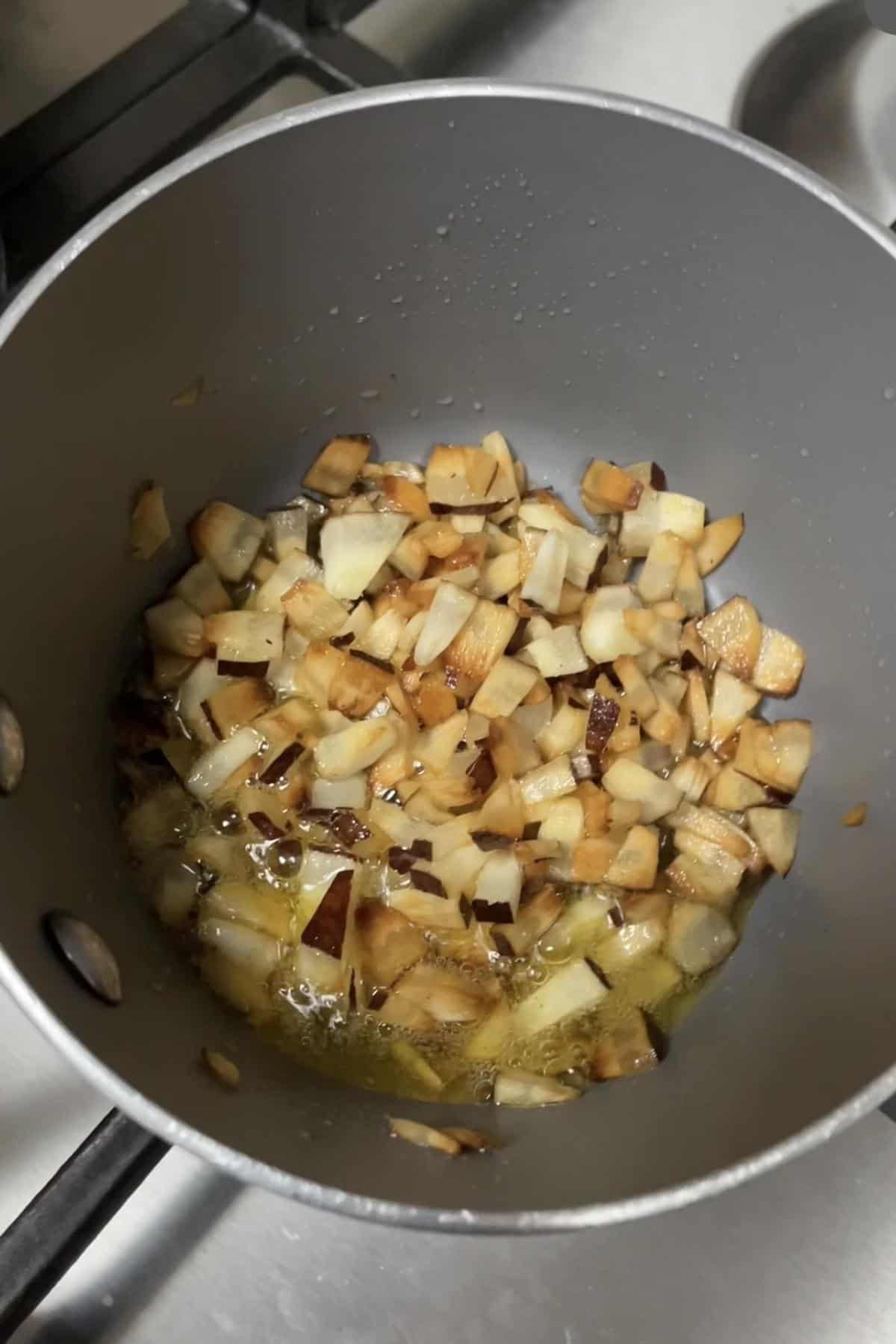
Heat the ghee in a small pan and add the coconut pieces. Fry until golden and remove from the hob.
Keep the fried coconut along with any ghee left in the pan.
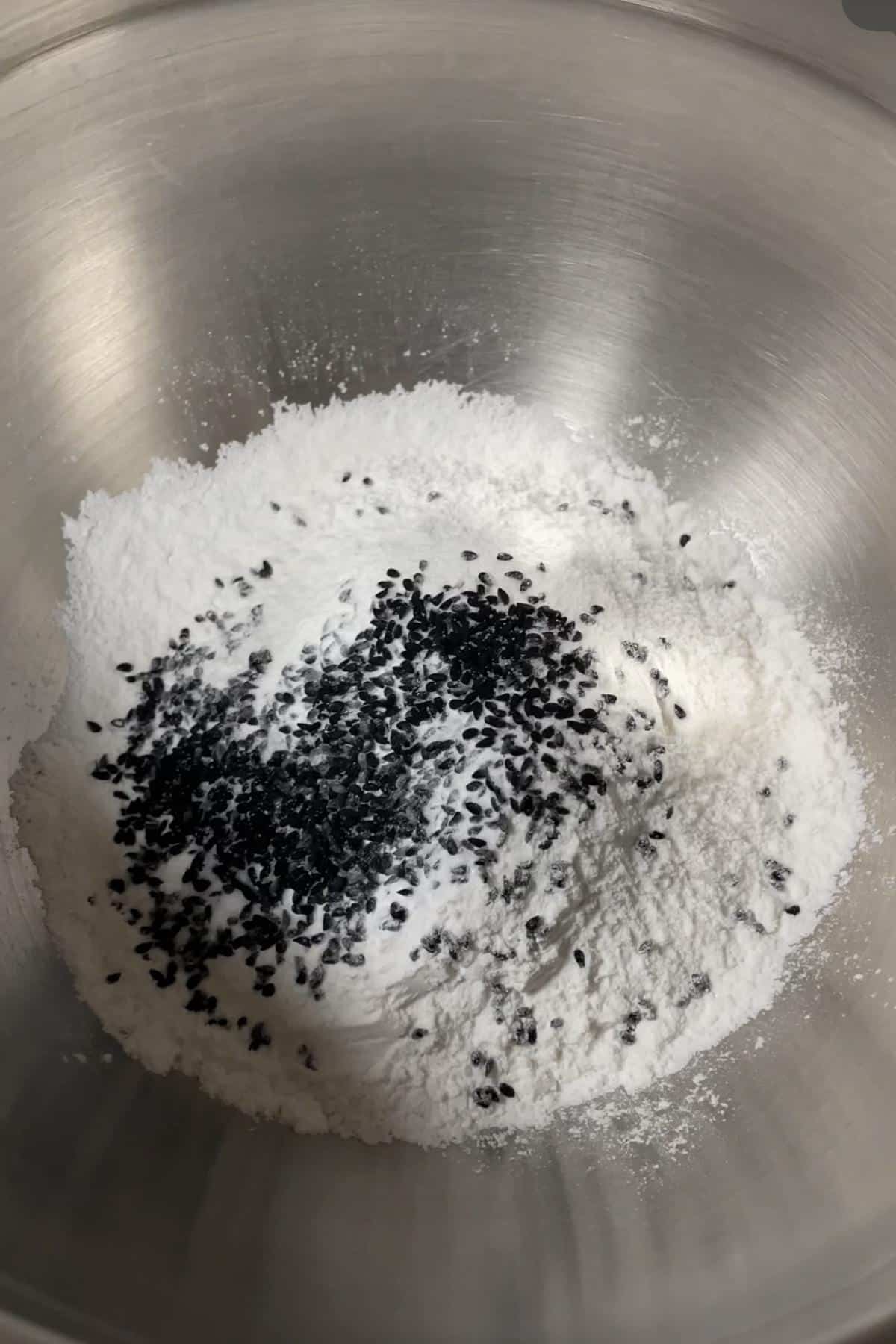
Add the roasted rice flour, nigella seeds, baking soda and salt to a large bowl and mix it.
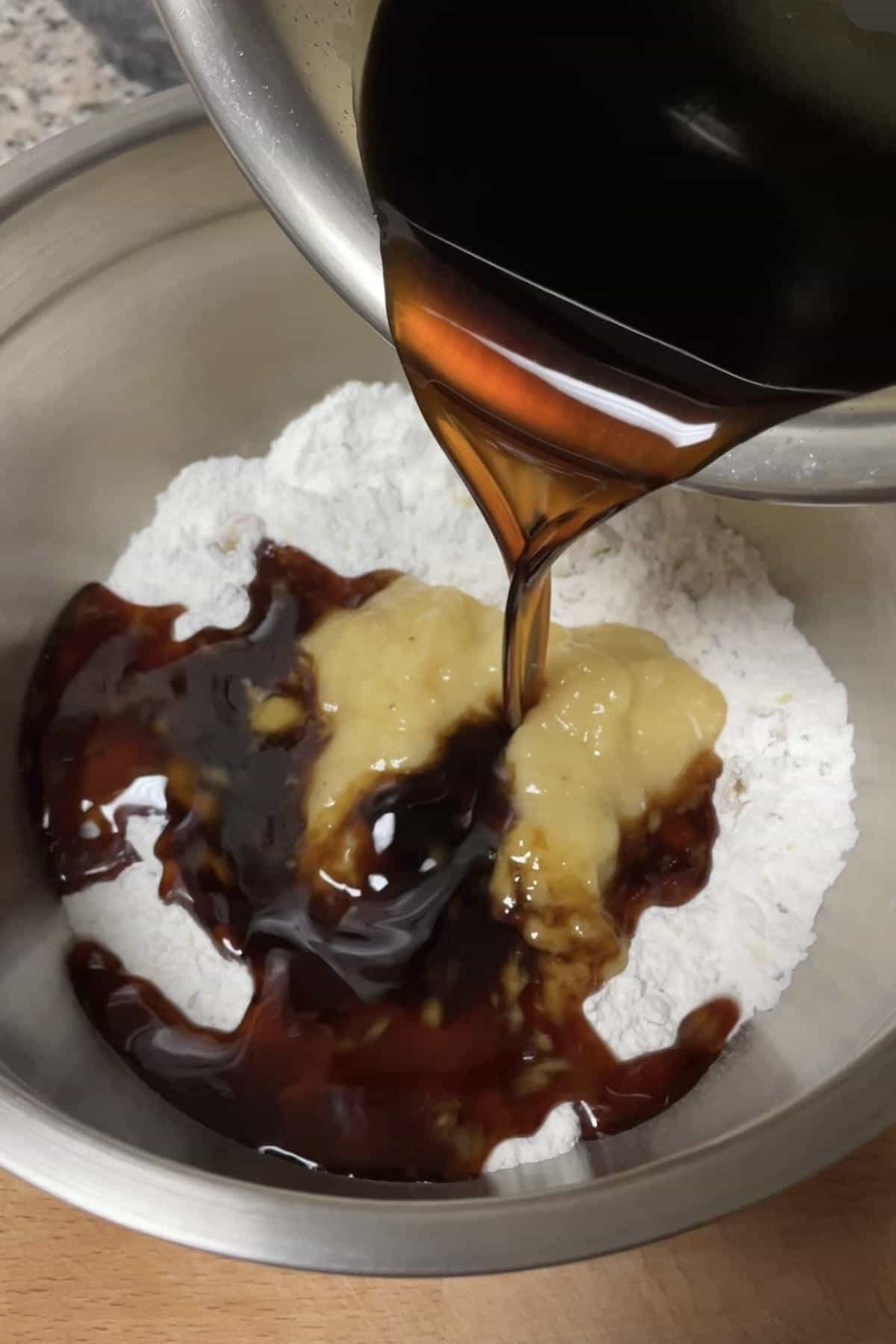
Add the smoothly mashed banana, fried coconut bits, along with the ghee, and melted and cooled jaggery. Mix thoroughly until you have a smooth, thick-but-pourable batter.
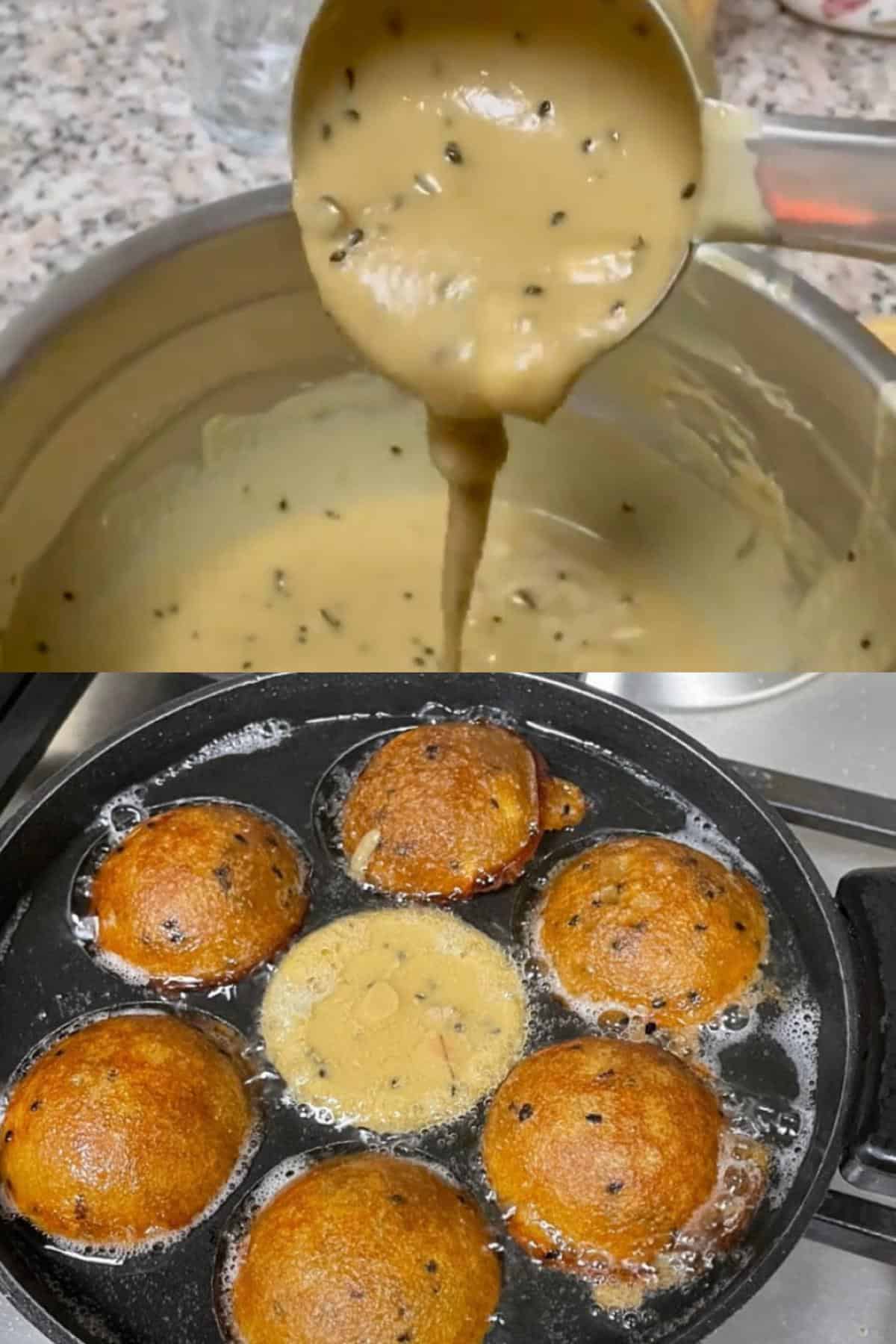
Heat your appe pan with oil in each cavity, filling halfway. Spoon the batter into each cavity until it is about three-quarters full. Once the edges and bottom have started to brown, gently turn the unniyappam using a chopstick or teaspoon.
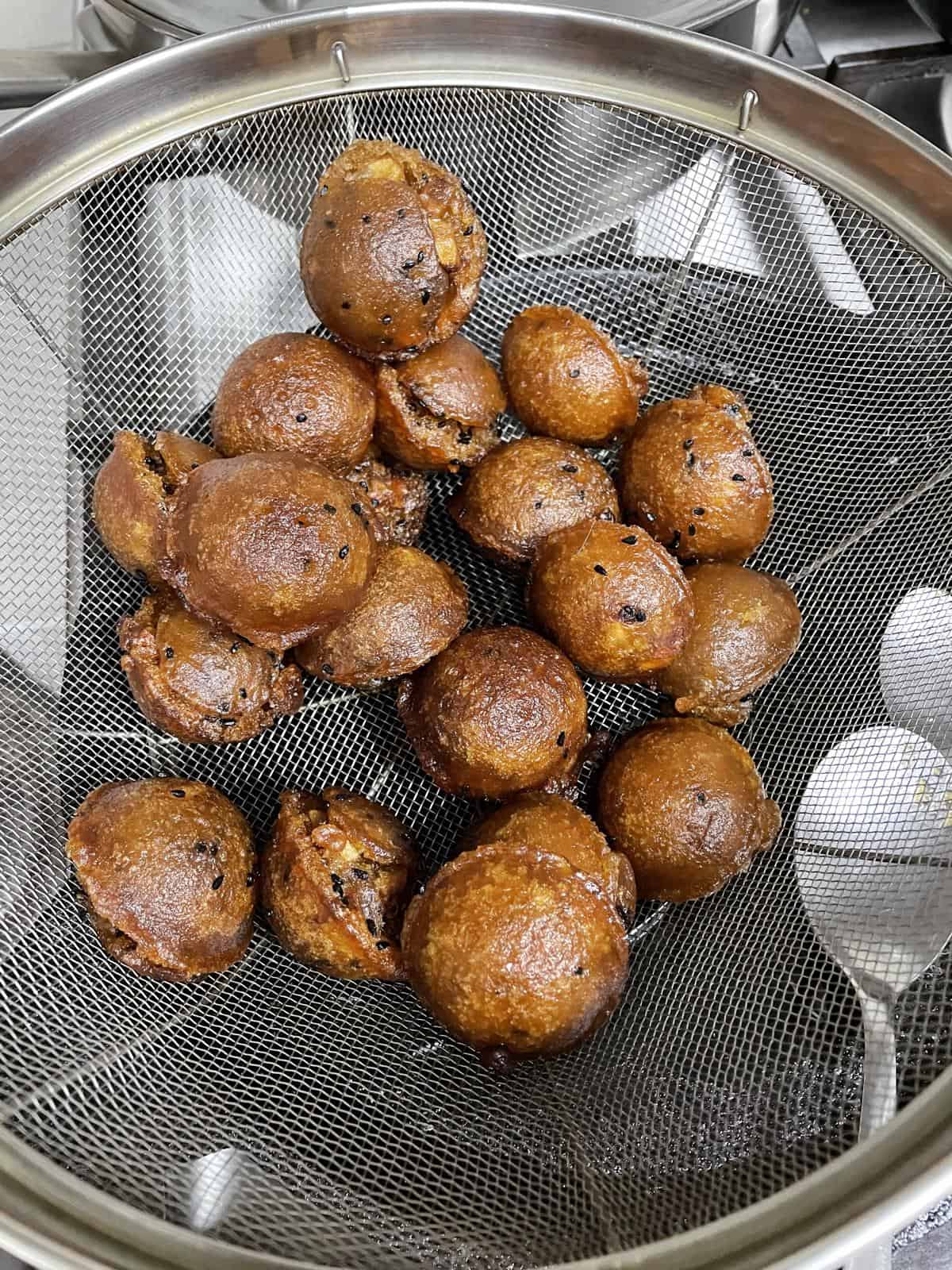
The unniyappam are ready when they are deep golden brown outside and cooked through in the centre.
Remove them from the pan and continue with the remaining batter.
Take Note
Please note that these pictures are meant to provide a helpful visual overview of the recipe. Full ingredient measurements and detailed instructions are located in the printable recipe card at the bottom of this post!
Serving Suggestions
Unniyappam are made for a cup of chai. They're good warm or at room temperature, and they store well, so you can make a batch ahead and have them on hand for a few days.
They also make a nice addition to a Kerala-style tea-time spread because this version needs no fermentation or resting time; it's an easy one to make on a festival morning when the kitchen is already busy with other dishes.
If you like the rice flour, jaggery and coconut combination here, a few other recipes on my blog lean on the same flavours. Kalathappam is another small-batch Kerala appam made with rice, jaggery and coconut, just steamed rather than pan-fried. Sweet Banana Dumplings use the same ripe banana and chai-time appeal as this recipe, in a quicker, bite-sized form, and Pazham Pori turns ripe plantain into another classic Kerala chai-time fritter. And if it's the rice-coconut-jaggery pairing you're after in other shapes, Ela Ada wraps it in a steamed rice parcel, while Ariyunda rolls it into simple roasted-rice and coconut balls.
Unniyappam recipe FAQs
Can I make this unniyappam batter ahead of time?
I haven't tested this recipe with an overnight or refrigerated batter. The successful batch was cooked immediately after mixing, so I recommend following the tested method rather than assuming the batter will behave the same way after resting.
Why did my unniyappam turn dark before the centre cooked?
The most likely culprit is excessive heat. Jaggery and banana encourage quick browning, so the outside can look done while the centre is still soft. Lower the heat to medium-low and give the unniyappam more time, turning them regularly.
Can I use plain rice flour instead of roasted rice flour?
I haven't had the best results with plain rice flour. Because this recipe was developed and successfully tested with roasted rice flour, I would not swap it without expecting the texture and flavour to change.
Is unniyappam traditionally made for Onam?
Yes. Unniyappam is a favourite Onam-time sweet in Kerala; the kind of snack made at home during the festival for kids and adults to enjoy with chai. This instant, roasted rice flour version is a convenient option for a small family when you want unniyappam without spending hours soaking or fermenting the batter.
Can I use ghee instead of oil for cooking unniyappam?
Yes. Ghee works for cooking the unniyappam and gives them a richer aroma. Coconut oil or sunflower oil also work well. If using coconut oil, don't mix other oils. If using ghee, you may add some refined oil.
Enjoyed this Recipe?
Did you know that commenting and rating recipes is one of the best ways to support your favourite food bloggers? If you tried this recipe, please leave a review in the comments with your ⭐️⭐️⭐️⭐️⭐️ rating. Your feedback helps my small business keep offering free, high-quality recipe content. It is the best way to help me thrive in an increasingly competitive AI world.
More Related Recipes
Looking for other recipes like this? Try these:


📖 Recipe Card
Unniyappam Recipe with Roasted Rice Flour
Equipment
- 1 Appe pan, (paniyaram pan)
Ingredients
- ¾ cup jaggery powder
- ¾ cup water
- ½ cup coconut slices, chopped
- 1 tablespoon ghee
- 1 cup roasted rice flour
- 2 teaspoons nigella seeds, (kalonji)
- 1 pinch baking soda
- salt to taste
- 1 large ripe banana, mashed smoothly
- Oil to pan fry, coconut oil or ghee or sunflower oil, for frying
Instructions
- Melt the jaggery powder with the water. Strain if needed and set aside to cool.¾ cup jaggery powder¾ cup water
- Heat the ghee and fry the coconut pieces until golden. Set aside with the ghee.1 tablespoon ghee½ cup coconut slices chopped
- In a large bowl, mix the roasted rice flour, nigella seeds, baking soda and salt.1 cup roasted rice flour2 teaspoons nigella seeds (kalonji)1 pinch baking sodasalt to taste
- To the flour mix, add the smooth mashed banana, cooled jaggery syrup and fried coconut with the ghee.1 large ripe banana mashed smoothly
- Mix thoroughly to make a thick but pourable batter. Do not rest the batter.
- Heat a paniyaram pan over medium heat. Add your choice of oil (coconut oil, ghee or sunflower oil) to fill each cavity halfway.Oil to pan fry coconut oil or ghee or sunflower oil, for frying
- Pour the batter in each cavity about three-quarters full. Reduce the heat to medium-low and cook until the bottoms begin to brown.
- Turn the unniyappam and continue cooking, turning occasionally, until evenly golden brown and cooked through. Remove and repeat. Serve at room temperature with chai.
Nutrition Info
Nutritional information is an estimate provided for informational purposes only. Values may vary based on ingredient brands, cooking methods, and portion sizes.

Famidha Ashraf says
This instant unniyappam recipe is such a relief during Onam; no soaking or fermenting the batter, and they still turn out soft inside with that lovely jaggery colour! What oil do you use for frying, coconut oil or ghee? Tell me below.